
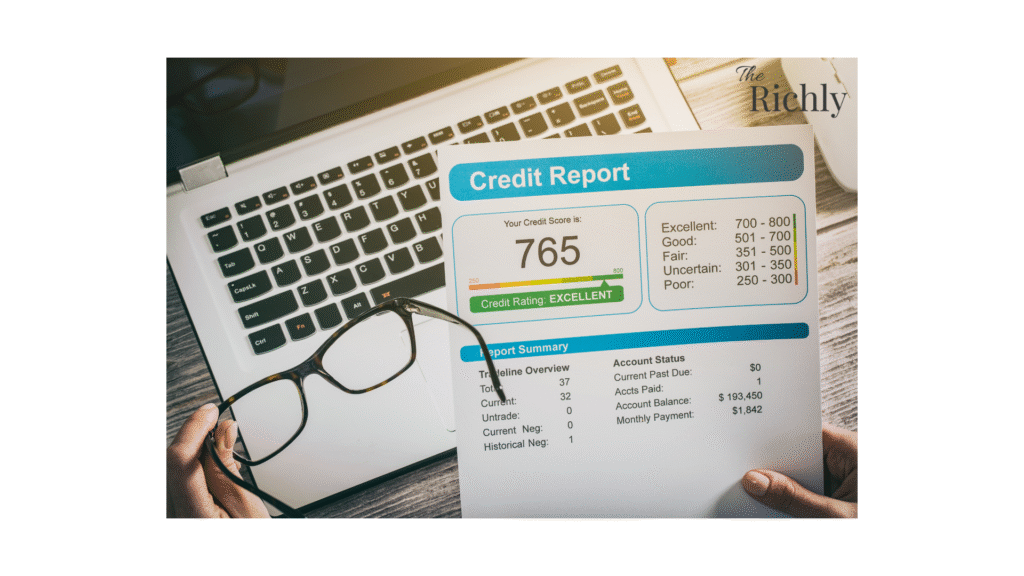
Want a better credit score fast? Here’s how to boost your credit score by 100 points in just three months without expensive services or gimmicks.
Introduction: Why Your Credit Score Matters More Than You Think
Your credit score is more than just a number. It decides whether you get approved for loans, the interest rates you pay, and sometimes even whether or not you can rent an apartment. A higher score can save you thousands of dollars over time.
The good news? You don’t need years to see real improvement. With the right moves, you could raise your credit score by 100 points in as little as 90 days.
Step 1: Know Where You’re Starting
Before you can improve your score, you need to know it.
Check your credit score through your bank, credit card account, or a free credit reporting service. Then pull your full credit reports from all three bureaus: Equifax, Experian, and TransUnion.
Look for:
- Errors, such as accounts you do not recognize
- Negative marks that should have been removed
- Late payments that were reported incorrectly
If you find a mistake, dispute it right away through the credit bureau’s website. Fixing just one error can give your score a fast boost.
Step 2: Pay Down Credit Card Balances
Credit utilization, or how much of your available credit you use, makes up about 30% of your score.
Aim to keep your balance under 30% of your credit limit, and under 10% if you can.
For example: If your card has a $5,000 limit, staying below $1,500 can improve your score.
If you cannot pay every balance at once, start with the card that has the highest utilization rate.
Step 3: Make Every Payment On Time
Payment history is the single biggest factor in your credit score, making up about 35% of it.
Set up autopay on every account you have for at least the minimum payment so you never miss a due date. Even one late payment can stay on your report for years.
Step 4: Ask for a Credit Limit Increase
If your credit card company allows it, request a higher credit limit.
This lowers your utilization ratio and can improve your score quickly. Just be careful not to spend more simply because you have more available credit.
Step 5: Become an Authorized User
If a trusted family member or friend has a long history of on-time payments and low balances, ask if they can add you as an authorized user.
Their positive payment history will be added to your credit report, which can help raise your score. You never even have to use the card.
Step 6: Avoid Opening New Accounts Unless Absolutely Necessary
Every time you apply for a new credit card, your score can drop a few points. If your goal is to raise your credit score quickly, wait until you have reached your target before applying for any new accounts.
Step 7: Track Your Progress
Check your score once a month to see how your changes are taking effect, because small improvements add up over time. Once you reach your target score, focus on maintaining it, or improving it even more.
Common Mistakes to Avoid
- Closing old accounts. This shortens your credit history and can lower your score
- Ignoring small debts. Even a small unpaid bill in collections can hurt your score
- Applying for too many new accounts at once. The small hits to your credit add up.
Bottom Line: Small Changes, Big Impact
Improving your credit score does not have to take years. Pay down balances, make every payment on time, and manage your accounts strategically.
Start now, stay consistent, and you will see the difference the next time you apply for a loan or big purchase.